

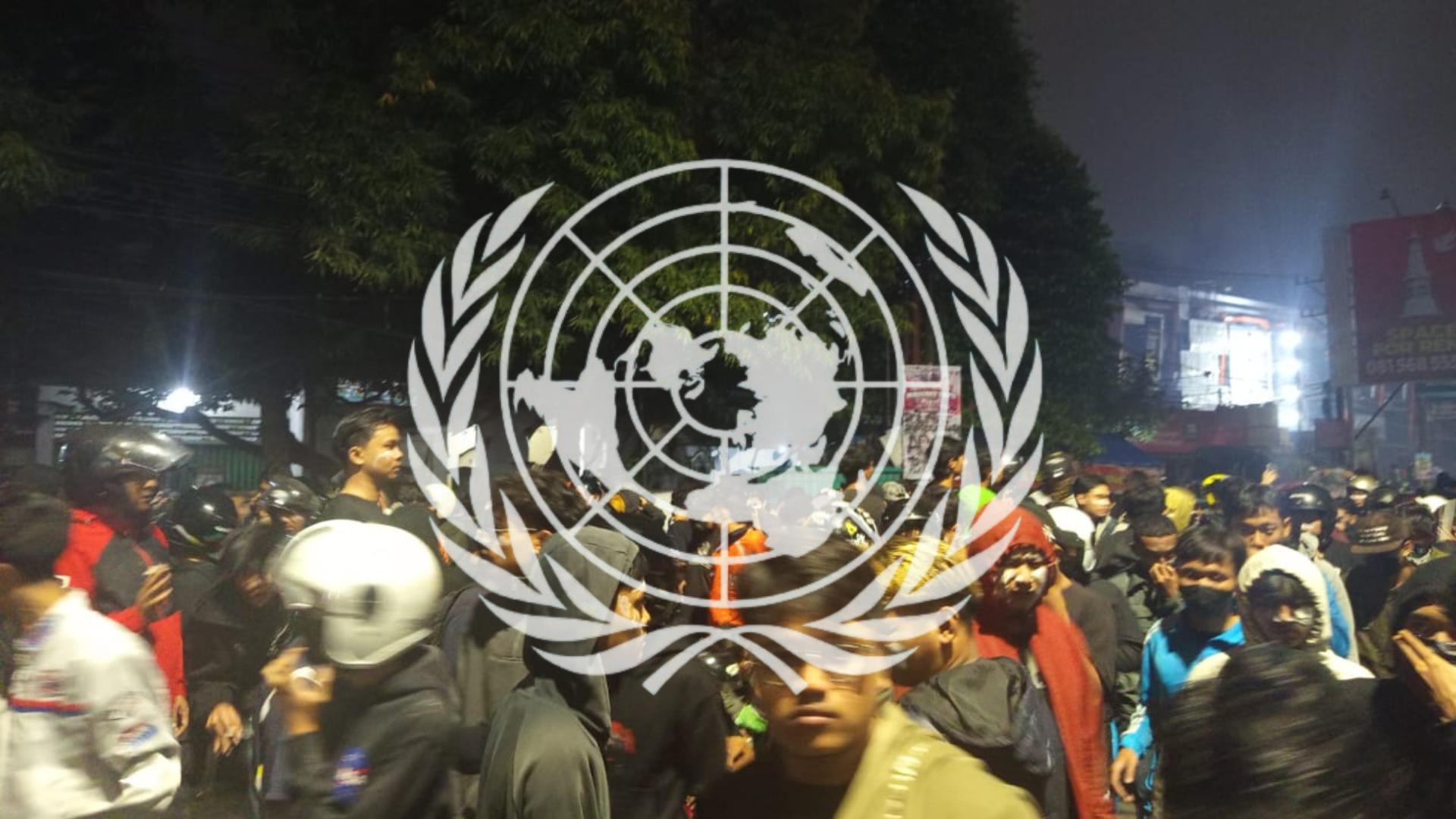
basera.id- The Office of the United Nations High Commissioner for Human Rights (OHCR) has urged Indonesia to ensure restraint and accountability amid mounting nationwide protests, warning against excessive use of force by security personnel as demonstrations continue to intensify.
The statement, delivered on 1 September 2025 by OHCR spokesperson Ravina Shamdasani, came after days of violent confrontations between protesters and police across several Indonesian cities, where rights groups have reported casualties, arrests, and dozens of people missing.
The protests, which erupted in late August 2025, were initially sparked by widespread public anger over lavish housing allowances granted to parliament members at a time of economic strain. The discontent escalated dramatically on 28 August, when 21-year-old online driver Affan Kurniawan was killed after being run over by a police armored vehicle during a rally in Jakarta.
The incident triggered a surge of demonstrations across Indonesia from Yogyakarta and Makassar to Lampung and Bandung with thousands of students and workers taking to the streets. Reports from rights groups claim that police used tear gas and rubber bullets, particularly around university campuses, fueling public outrage and intensifying the call for justice.
In her remarks, Shamdasani called for “prompt, thorough, and transparent investigations into all alleged violations of international human rights law, including with respect to use of force.”
She emphanized three key points:
Security forces must uphold international standards on the use of force.
The rights to peaceful assembly and freedom of expression must be protected.
Authorities should foster dialogue and allow independent media to report freely.
The UN’s intervention was prompted by mounting evidence from human rights groups of disproportionate police tactics and restrictions on media reporting. The tragic death of Kurniawan, combined with reports of missing protesters and injured students, highlighted systemic concerns about accountability in Indonesia’s handling of dissent.
By emphasizing restraint, accountability, and free expression, the UN Human Rights Office sought to address both the immediate crisis and the broader democratic values at stake. International observers warn that failure to uphold these principles risks undermining Indonesia’s global reputation as one of Asia’s largest democracies.
The UN’s warning places Indonesia under growing international scrutiny. Human rights organizations worldwide have echoed the call for investigations, while foreign governments are closely monitoring Jakarta’s response.
For many Indonesians, however, the UN statement resonates as validation of their demand for justice. Whether the government acts on these concerns will likely determine the trajectory of the unrest — and the stability of the country’s democratic institutions in the months ahead.
Leave a comment
Your email address will not be published. Required fields are marked *